







Puppy Socialization: Mistakes to Avoid 🐶
Share
🐶 Introduction: The First Months That Decide Everything
You've just brought your puppy home and everyone tells you, "You have to socialize him!" But no one explains exactly how, when, and especially what NOT to do. So you find yourself confused: you take him to the park too early and he gets scared, you expose him to too many situations and he gets traumatized, or you overprotect him and he becomes insecure.
The truth is that socialization is the most important thing you'll do in your puppy's first months of life—but it's also the most misunderstood . The problem is that most owners make critical mistakes that permanently compromise their dog's temperament: overly intense exposures, poor timing, or worse, no socialization at all for fear of disease.
In this comprehensive guide, you'll discover what socialization really is, why it's crucial, the 10 fatal mistakes to avoid, and above all, how to properly socialize your puppy during the critical period from 8 to 16 weeks . There's no need for expensive courses or extreme situations—just understanding, gradualness, and the right method. Get ready to give your puppy the foundation to become a balanced, confident, and happy dog!
🧠 What is Socialization: Beyond the Dog Park
Correct Definition
Socialization is the process of gradual, positive exposure to different people, animals, environments, sounds, and situations during the critical developmental period (8-16 weeks).
Why It's So Important
- 🧬 Critical period: 8-16 weeks - unique neurological window
- 🧠 Brain Development: Experiences Shape Neural Connections
- 😊 Future Temperament: Determines Security vs. Fear
- 🚫 Problem prevention: Aggression, fears, anxieties
- 💰 Savings: Prevention is cheaper than cure
What Socialization Includes
- 👥 People: Men, women, children, elderly, uniforms, hats
- 🐕 Animals: Dogs, cats, other animals
- 🏙️ Environments: City, countryside, shops, cars, stairs
- 🔊 Sounds: Traffic, appliances, thunderstorms, fires
- 🚗 Situations: Veterinarian, groomer, transportation
- 🧱 Surfaces: Grass, asphalt, grates, stairs
❌ The 10 Fatal Mistakes to Avoid
1. Wait for the End of Vaccines 💉
The error:
- ⏰ "I'll wait 4-5 months": When vaccinations are complete
- 🏠 Total isolation: No exit, no contact
- 😰 Fear of disease: Physical health is top priority
Why it's fatal:
- 🧠 Missed Critical Period: 8-16 weeks DOES NOT return
- 😢 Permanent damage: Lifelong fears and anxieties
- 📊 Statistics: More dogs are euthanized for behavioral problems than for diseases
Correct solution:
- ✅ Socialize WITH precautions: Don't wait
- 🏠 Controlled environments: Friends' homes with vaccinated dogs
- 🎒 Carry in arms: Exposure without contact with the ground
- 🚗 Car/stroller: See the world without risks
2. Exposure Too Intense Too Soon ⚡
The error:
- 🎉 "Welcome Party": 20 people on the first day
- 🏙️ City center immediately: Chaos, noise, crowds
- 🐕 Crowded dog park: 10+ unknown dogs
Why it's fatal:
- 😰 Sensory Overload: Trauma Instead of Socialization
- 🧠 Awareness: Become more fearful, not less
- 💔 Negative association: People/dogs = fear
Correct solution:
- ✅ Gradual: 1-2 people at a time
- ✅ Quiet environment: First home, then outside
- ✅ Observe language: If it hides, too much
- ✅ Short sessions: 5-10 minutes, finish positively
3. Force Interactions 🚫
The error:
- 👋 "Come on, say hello!": Push towards people/dogs
- 🤗 Forced hugs: From children or strangers
- 😰 Ignore fear: "It'll pass."
Why it's fatal:
- 😢 Trauma: Forced negative experience
- 🚫 Loss of trust: In yourself, you don't protect it
- 😤 Future aggression: Preventive defense
Correct solution:
- ✅ Let him choose: He decides whether to approach you
- ✅ Respect rhythms: Some puppies are slower
- ✅ Reward courage: When he approaches voluntarily
- ✅ Allow retreat: Can always retreat
4. Excessive Protection 🛡️
The error:
- 👶 "It's too small": No exposure
- 😰 Pick him up: As soon as he sees something
- 🚫 Avoid everything: "He might get scared"
Why it's fatal:
- 😰 Chronic insecurity: He doesn't learn to manage
- 👶 Dependence: Does not develop autonomy
- 😤 Reactivity: Everything is threatening
Correct solution:
- ✅ Controlled exposure: Gradual but constant
- ✅ Let explore: With supervision
- ✅ Don't reassure fear: Reinforce behavior
- ✅ Project calm: You calm = he calm
5. Only Dogs of the Same Size/Age 🐕
The error:
- 🐶 "Puppies only": Never adult dogs
- 📏 "Only small dogs": Fear of large dogs
- 🎓 Puppy class only: Artificial environment
Why it's fatal:
- 😰 Fear of different dogs: Don't generalize
- 🎮 Inappropriate Play: Puppy Style Only
- 🚫 Lack of education: Adults teach limits
Correct solution:
- ✅ Variety: Different sizes, ages, breeds
- ✅ Balanced adult dogs: They teach language
- ✅ Supervision: Appropriate interactions
6. Ignore the Signs of Stress 😰
Signs you're doing it wrong:
- 👅 Lip Licker: Stress
- 😰 Yawning: Not sleepy, anxious
- 🐾 Tail low/between legs: Fear
- 🏃 Tries to escape: He wants to leave
- 💩 Eliminate: Extreme Fear
- 🦴 Freeze (fear)
What to do:
- ⏸️ Stop immediately: Situation too intense
- 📏 Increase distance: From stimulus
- 😌 Back to an easier situation: Where he is relaxed
- 🍖 Counterconditioning: Stimulus = rewards
7. Inconsistent Socialization 🔄
The error:
- 📅 "When it happens": Sporadic
- 🎢 Ups and downs: One week on, two weeks off
- 🏠 Weekend only: Not daily
Why it's fatal:
- 🧠 Ineffective learning: Repetition is needed
- 😰 Regression: Loses progress
- ⏰ Critical period wasted: Few weeks available
Correct solution:
- ✅ Daily: Even 10 minutes a day
- ✅ Variety: Something new every day
- ✅ Structured Plan: List of experiences to do
8. Unmanaged Negative Experiences 😢
The error:
- 😰 "It will pass": Ignore trauma
- 🐕 Aggressive dog: He attacks, you don't intervene immediately
- 👶 Abrupt child: He pulls it, you don't protect him
Why it's fatal:
- 💔 Awareness: One negative experience = permanent fear
- 🧠 Rapid Learning: Puppies Memorize Traumas
- 😤 Generalization: All dogs/children = danger
Correct solution:
- ✅ Immediate intervention: Always protect
- ✅ Counter-conditioning: Immediately after, positive associations
- ✅ Avoid repetition: Don't expose yourself to the same situation too soon.
- ✅ Gradual Desensitization: Rebuild Trust
9. Ignoring Sounds and Environments 🔊
The error:
- 🏠 Quiet home only: Soft environment
- 🔇 Total silence: No noise
- 🚫 Avoid cities: Only countryside
Why it's fatal:
- 😰 Fear of noises: Thunderstorms, fires, vacuum cleaners
- 🏙️ Urban Stress: Doesn't manage cities
- 🎆 Phobias: New Year's Eve becomes a nightmare
Correct solution:
- ✅ Gradual sound exposure: Low volume → high
- ✅ Desensitization Playlist: Recorded Noises
- ✅ Different environments: City, countryside, shops
- ✅ Various surfaces: Grates, stairs, elevators
10. Finish Socialization at 16 Weeks ⏰
The error:
- 📅 "Critical period over": Stop socializing
- 🏠 Fixed routine: Always the same places
- 🐕 Same dogs: Nothing new
Why it's fatal:
- 😰 Regression: Loses confidence
- 🚫 Fear of new situations: Insecure adult
- 🔒 Rigidity: Does not adapt to changes
Correct solution:
- ✅ Continuous socialization: Throughout life
- ✅ Regular updates: New places, people, dogs
- ✅ Maintenance: Even as an adult
✅ How to Socialize Properly: 8-16 Week Plan
| Week | Focus | Activity | Duration |
|---|---|---|---|
| 8-9 | Home and family | Different people in the house, household sounds, manipulation | 10-15 min x 3-4 times/day |
| 10-11 | Controlled environments | Garden, friends' house, vaccinated dogs, supervised children | 15-20 min x 2-3 times/day |
| 12-13 | External exposure | Short walks, pet-friendly shops, cars, different surfaces | 20-30 min x 2 times/day |
| 14-16 | Consolidation | Variety of environments, puppy classes, new situations | 30-45 min x 2 times/day |
📋 Complete Socialization Checklist
People (minimum 100 different people):
- ✅ Men with beards
- ✅ Children (all ages)
- ✅ Elderly
- ✅ People with hats/glasses
- ✅ Uniforms (postman, police)
- ✅ People with a cane/wheelchair
Animals:
- ✅ Balanced adult dogs
- ✅ Puppies
- ✅ Dogs of different sizes/breeds
- ✅ Cats
- ✅ Other animals (if possible)
Environments:
- ✅ City/traffic
- ✅ Campaign
- ✅ Shops
- ✅ Veterinarian (positive visits)
- ✅ Cars/Transport
- ✅ Stairs/elevators
Sounds:
- ✅ Household appliances
- ✅ Thunderstorms (recorded)
- ✅ Fireworks (recorded)
- ✅ Traffic
- ✅ Children playing
❓ FAQ: Frequently Asked Questions about Socialization
1. Can I socialize my puppy before full vaccinations?
Yes, you MUST socialize before full vaccinations – the critical 8-16 week period does not wait.
How to do it safely:
- ✅ Controlled environments: Your home, friends' homes with vaccinated dogs
- ✅ Carry in arms: Visual/auditory exposure without ground contact
- ✅ Stroller/Backpack: See the world without risks
- ✅ Car: Look out the window
- ✅ Avoid: Public parks, dog parks, places with unknown dogs
Risk vs. Benefit:
- 📊 AVMA Statistics: Behavioral problems are the #1 cause of abandonment/suppression.
- 📊 Disease risk: Low with precautions
- 🧠 Critical period: Lost = permanent damage
💡 Modern Veterinary Consensus: Supervised socialization BEFORE full vaccinations is essential!
2. My puppy had a bad experience, is he ruined forever?
No, but you must intervene IMMEDIATELY with counter-conditioning and desensitization.
What to do immediately:
- Remove from situation: Immediately
- Don't reassure: "Everything's fine" reinforces fear.
- Distract with play/rewards: Change emotion
- Do not repeat the experience: For at least 1-2 weeks
Recovery protocol:
- Identify triggers: What caused the fear?
- Threshold Distance: Distance where notice but no reaction
- Counter-conditioning: Trigger = shower of rewards
- Gradual reduction in distance: Weeks, not days
- Never force: Let him come willingly.
When professional help is needed:
- 🚨 Intense fear: Tremble, eliminate, freeze
- 🚨 Generalization: Fear of an entire category
- 🚨 No improvement: After 2-3 weeks
💡 Important: The earlier you intervene, the better the prognosis. Puppies are flexible!
3. How much time should I dedicate to socializing each day?
Minimum 30-60 minutes per day distributed in short sessions during the critical period 8-16 weeks.
Ideal day structure:
- 🌅 Morning (10-15 min): Household sounds, manipulation
- ☀️ Half day (15-20 min): Different people, games
- 🌆 Afternoon (20-30 min): Walk/outdoor exposure
- 🌙 Evening (10-15 min): New surfaces, situations
Quality > Quantity:
- ✅ Short, positive sessions: Better than long, stressful ones
- ✅ Variety: More important than duration
- ✅ End positively: Always successfully
Integrate into your routine:
- 🚗 Commissions: Bring puppy (in your arms if not vaccinated)
- 👥 Guests: Invite different people
- 🏠 Home: Sounds, surfaces, manipulation
💡 Remember: 8-16 weeks = only 8 weeks. That's 56 days that determine 10-15 years of life. It's worth every minute invested!
🎯 Conclusion: 8 Weeks Worth a Lifetime
Puppy socialization isn't optional or something to do "when you have time"—it's the most important investment you'll make in your dog's future . Avoiding the 10 fatal mistakes and following a structured plan during the critical 8 weeks (8-16 weeks of age) will determine whether you'll have a balanced, confident, and happy dog or a fearful, reactive, and problematic one.
Remember the key points:
- ✅ Don't wait for vaccines: Socialize WITH precautions
- ✅ Gradual: Never too much, too soon
- ✅ Respect the rhythm: Never force it
- ✅ Variety: 100+ people, environments, different sounds
- ✅ Watch for signs of stress: Stop if necessary
- ✅ Daily: 30-60 minutes a day
- ✅ Continues after 16 weeks: Lifelong
Start today: Make a list of 10 new experiences to try this week and dedicate 15 minutes today to one of them. Your puppy's future begins now!
🐾 Puppy Socialization Products
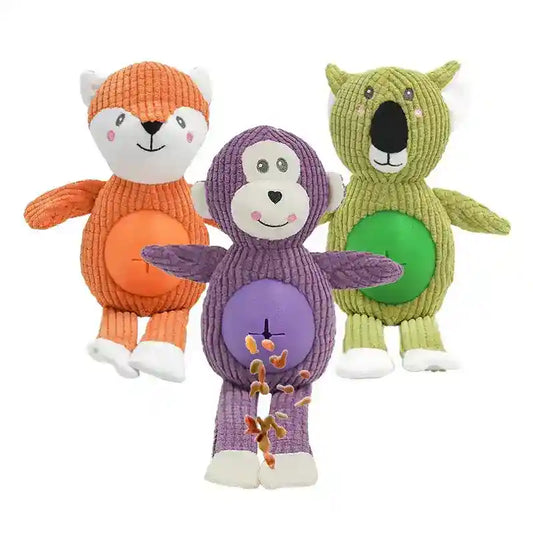
The right tools facilitate safe and effective socialization. Discover the Dog Moda collection: soft leashes for puppies, adjustable harnesses, treat bags for positive reinforcement, socialization toys, and complete starter kits with everything you need.
👉 Visit our catalog and equip yourself to give your puppy the best possible start: certified, safe products designed for the first months of life!
🐶 Dog Fashion – Why the First Months Decide the Next 15 Years


